

That colour is actually glass.
Enamel is made by fusing finely ground glass to metal. The result is a glass-like layer on metal: a distinctive combination of colour, sheen and strength.
Source: V&A
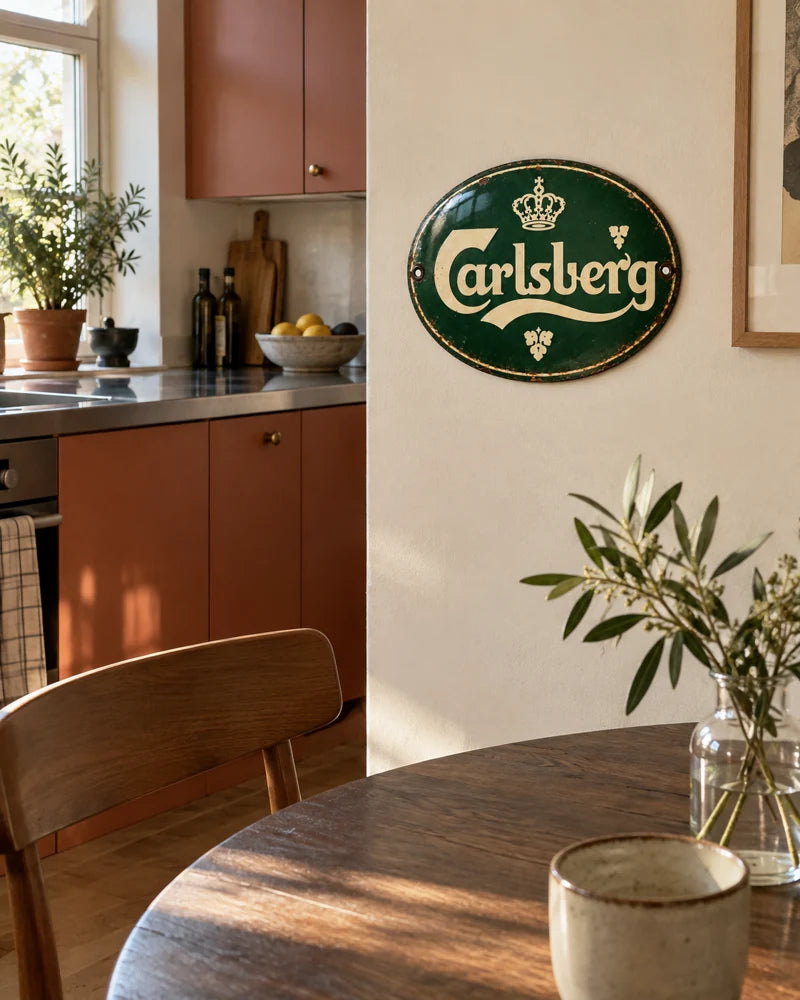
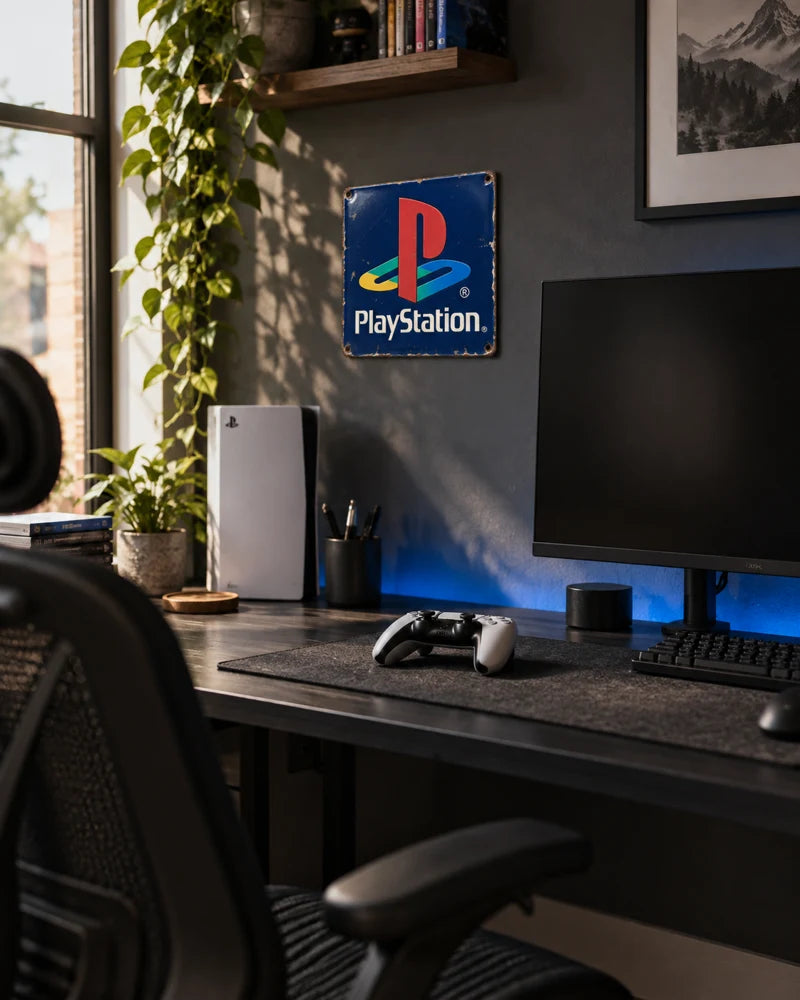
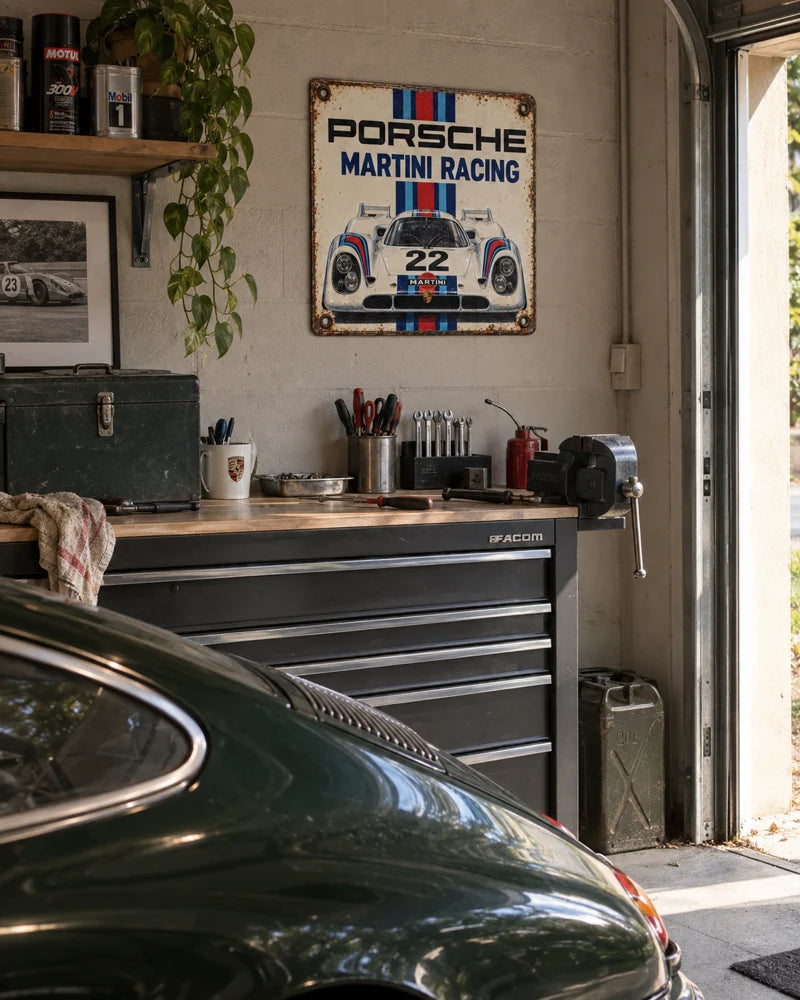
 Room inspiration. Signs sold separately.


 Example reverse side. Shape and finish vary between signs.
This round 30 cm enamel sign draws its character from a pin-up and classic Champion Spark Plugs logo with Cold Weather copy. The combination of cream, red, black and beige gives the design a pronounced retro look, while the visible patina and mounting holes strengthen the feel of a classic advertising find. A striking piece of wall decor for a garage, workshop or automobilia collection. Beautiful as a standalone statement, but just as strong combined with neon lighting and other Last Exit collectibles.
The patina is applied by hand in the enamel itself. No two signs are exactly alike.
Enamel and neon are fragile at the edges, so we pack every piece carefully and individually. Enamel signs ship insured with DPD. Order before 16:00 and your order leaves the same day. Want to know more? See Shipping & delivery.
Not what you expected? You have 14 days to change your mind, no reason needed. Read how it works on Returns.
Why enamel?
A design that means something to you. In a material you do not have to replace after a single season.
A glass-like layer is fired onto steel, giving your sign the finish associated with classic enamel advertising signs.
Enamel resists sunlight. Give your favourite design a bright spot.
From your kitchen to your garage or exterior wall. Protect the edges and enamel layer; exposed steel can rust.
With careful use, enamel can last for decades. A sign to keep, take with you and hang again.
Steel does not crease or tear like paper. Your sign needs no frame to hold its shape.
You are choosing enamelled steel specifically: metal combined with a fired, glass-like layer.



Did you know?
Enamel is made by fusing finely ground glass to metal. The result is a glass-like layer on metal: a distinctive combination of colour, sheen and strength.
Source: V&AFrom around the 1880s, sturdy enamel advertisements became part of the streetscape. They showed what you could buy and where to find it, bringing colourful messages to shops, stations and trams.
Source: Museo FisogniIn the Middle Ages, workshops in centres such as Limoges used enamel for precious objects. Champlevé makers filled recesses in copper with glass powder, then fused it in a kiln.
Source: V&ASome rare historic enamel signs have become sought-after collectibles. That’s part of the fascination: alongside the design, provenance, rarity and condition can all play a role.
Source: Morphy Auctions
Sold at auction
$72,000 USD
A rare historical original. Collector value depends on factors including rarity and condition; new signs have no guaranteed increase in value.
View the auction resultPhoto: Morphy Auctions, via Antique Trader.
The story of enamel
From jewellery and treasure rooms to shopfronts and your wall. Discover six chapters in the history of glass on metal.
2nd–3rd century
Long before enamel appeared on shopfronts, it brought colour to jewellery. Roman brooches combine metal with coloured enamel, sometimes in animal shapes.
Jewellery · Roman era
1100–1250
Metalworkers in centres including Limoges create richly coloured reliquaries. Recesses cut into copper receive powdered enamel, which is fused in a kiln.
Champlevé · Middle Ages
From c. 1470
In Limoges, delicate images appear in painted enamel on copper plaques. Small panels are sometimes combined into a triptych: metalwork becomes painting.
Painted enamel · Renaissance
From c. 1880
Enamel finds a home on shopfronts. Sturdy, kiln-fired advertising signs bring brands outdoors, where people shop and travel.
Advertising · Shopfronts
Early 20th century
Garages and fuel retailers also acquire distinctive branded signs. Signs, pumps and oil cans tell the story of the growing motoring world — a world preserved in museums today.
Brands · Motoring

Today
LAST EXIT brings enamel to the walls of today. Distinctive designs, tangible steel and the sheen of fired glass. Beautiful to look at every day, robust enough to keep for decades with careful use. Our approach to lasting design: choose something you’ll want to enjoy for a long time.
LAST EXIT · A new chapter for enamel.
01 / 06
Illustrative reconstructions of historical object types, not photographs of museum pieces. This timeline presents a selection from the European history of enamel.
Today, choose the design that speaks to you. In a material with a story that reaches far beyond the classic advertising sign.

